
Communication for the energy transition
Impact Gap Analysis
Diagnosis before recommendation
The impact gap analysis diagnoses where your communication for a sustainable offer loses impact. Only then do I recommend measures.
The gap between knowing and acting is huge for so many sustainable solutions. In the day-to-day work of energy agencies, municipalities and energy transition companies, too, there are specific points where things don’t take hold. That is rarely down to a lack of commitment. That is why I work like a doctor’s practice: examine first, then treat. No recommendation without a diagnosis.
What is an impact gap?
An impact gap is the distance between what your communication is meant to achieve and what it actually brings about.
Typical causes I have come across so far:
The message is wishful thinking. It describes what others should do or consider important, without anyone having asked what they really need and find relevant.
The message carries too much baggage. The topic is tied to an entire agenda, for example climate protection to gender equality, criticism of corporations and human rights. Each concern is legitimate, but anyone who doesn’t share all of them drops out.
The message suffers from engineer’s syndrome. It relies on technical arguments speaking for themselves, for example in energy-efficient building renovation. But decisions are made on other criteria.
The message doesn’t add up. It argues with benefits for the common good, while the target audience only listens when it sees a benefit of its own.
The message gets stuck with multipliers. They are equipped with flyers and materials, but nobody follows up persistently on whether and how they pass them on.
The message is waiting for visitors. It is on the website, but nobody persistently builds the paths to it: through press relations, search engines, networking or social media.
How do I measure what works?
The yardstick is your communication goals: what should your target audience know, think and do? I check at which stage your message gets stuck: whether it gets through, is considered relevant, is understood, convinces and leads to action. To do so, I look at how your target audience makes decisions: which information they look for and when, what drives their decision, and what stands between knowing and acting. A deep dive into your web analytics helps here, too.

Market research and client work: how do they fit together?
I examine impact gaps in two ways: as my own market research and on behalf of clients. One feeds the other.
Market research
In my market research I take on a recurring challenge of the energy transition and examine how an entire group of stakeholders communicates about it, for example municipal climate protection managers, energy agencies or solar installers. To do so, I evaluate studies, talk to practitioners and observe what the sector says in public.
Client work
In client work I examine your specific situation: your goal, your channels, your resources. I bring along what I have found in my market research, as well as my experience from sustainability communication tasks since 2005. So with you I don’t start from scratch.
What does an impact gap look like in practice?
Three examples from my work:
Market research
The energy transition beyond the camps
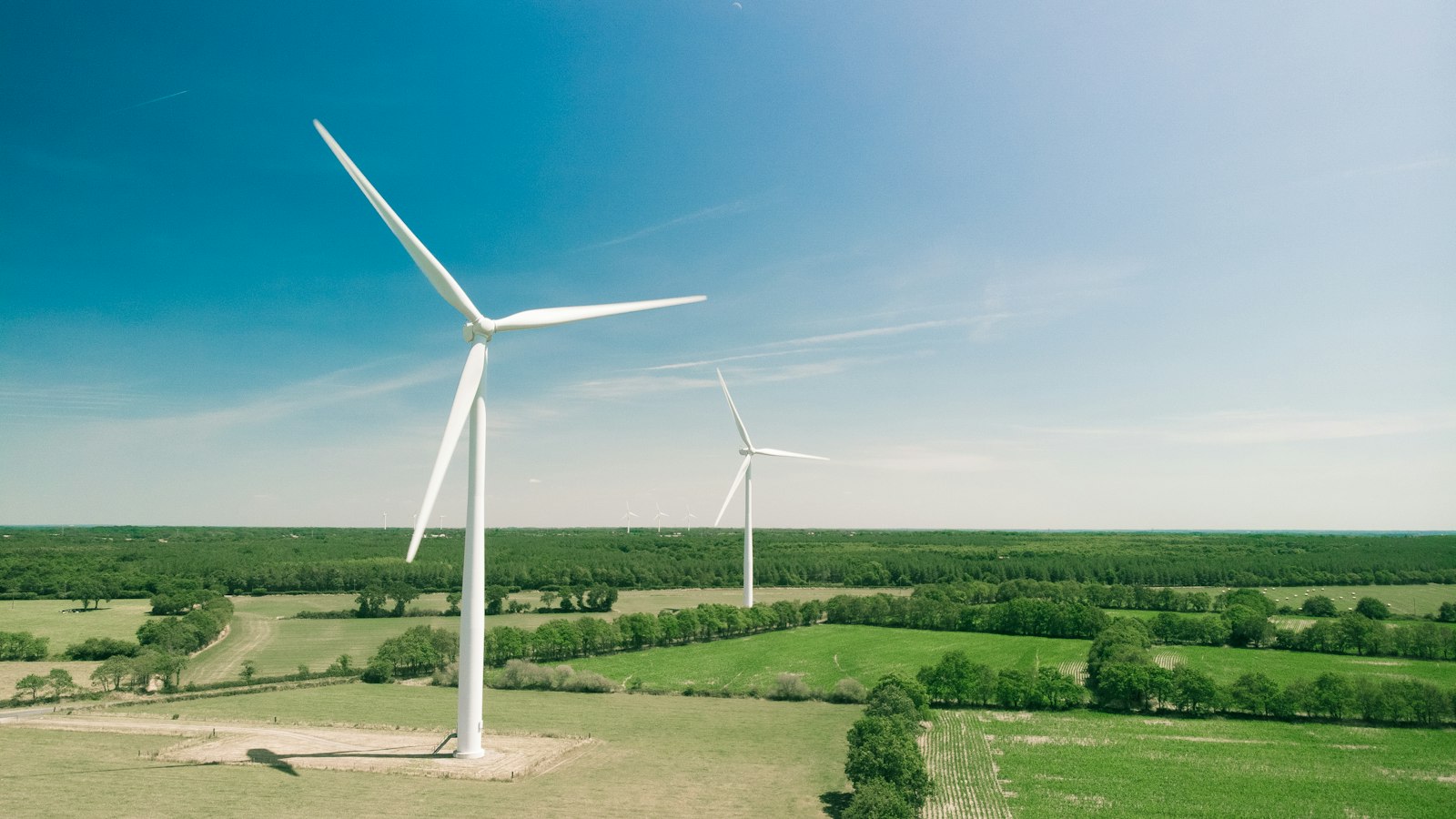
In 2025, Germany paid a net 76 billion euros for energy imports (Öko-Institut/WWF 2026). Wind and ground-mounted solar are the cheapest new power plants (Fraunhofer ISE 2024). Yet in nine out of ten social milieus, the majority does not believe that climate protection is economically beneficial (Sinus 2025). From 2023 to 2025, municipalities left around 570 million euros from participation in wind and solar parks unclaimed (GOAL100 2026). So the benefit is there; it just isn’t recognised as one’s own benefit. What is missing here is less the facts than the link to one’s own advantage.
Market research
EEG 2027: solar without a feed-in tariff
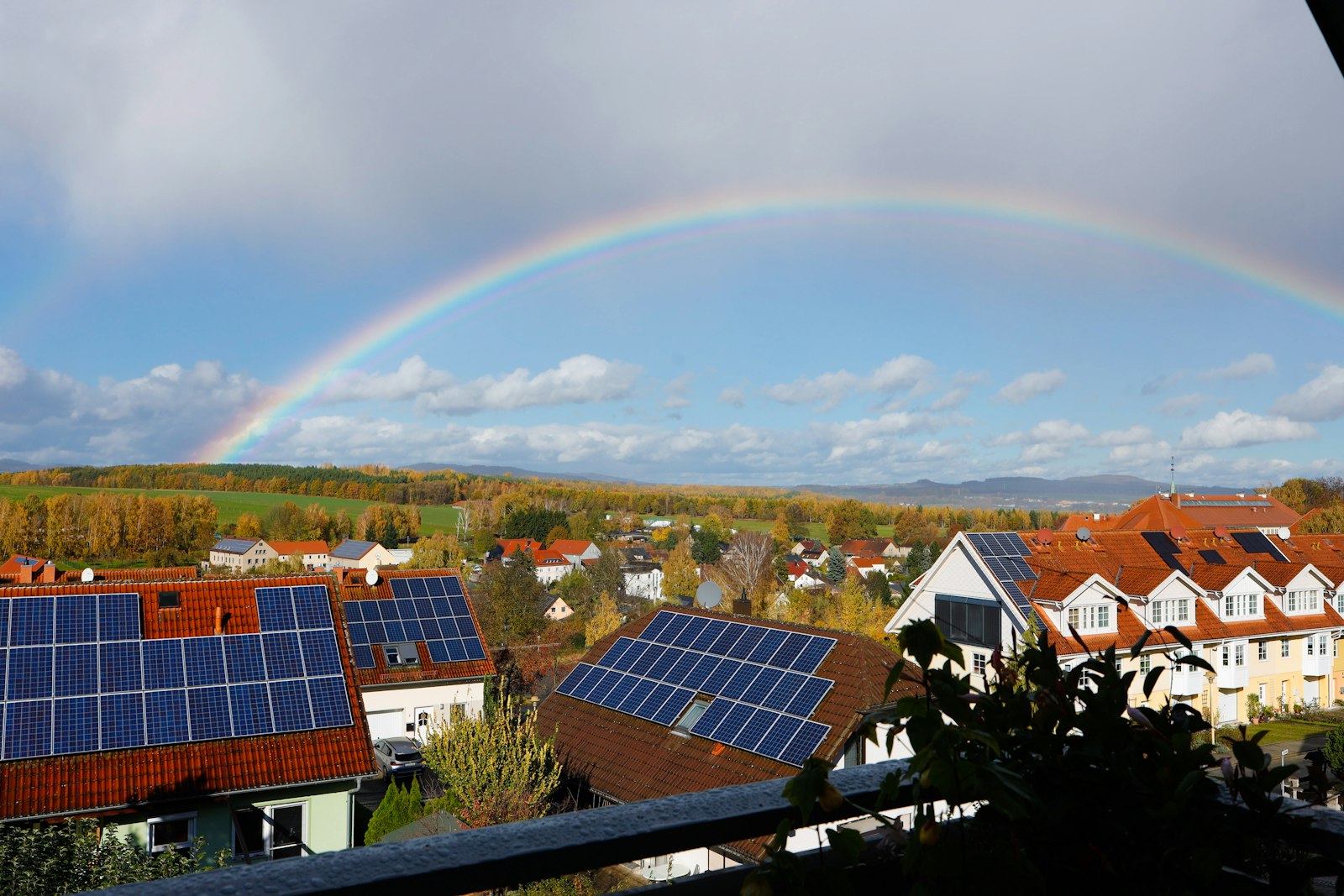
Under the government draft of the German Renewable Energy Sources Act (EEG) 2027, the fixed feed-in tariff for new solar systems is to be abolished (Bundestag printed paper 21/7867). Many take this to mean: there is nothing left for photovoltaics. The numbers say otherwise. The feed-in tariff only accounts for part of the profitability; with direct marketing, the payback period grows by two to three years (EWS 2026). So the gap lies in perception, not in the numbers. On top of that, the argument that has carried so far (“the conditions won’t get any better”) expires with the reform, and there is no new one yet. It is needed above all by those people trust locally: climate protection managers, energy agencies and community solar advisory services.

Client work
Repair instead of throwing away
It is often said that people first have to be convinced to repair things. But they have long been in favour: 94 percent want manufacturers to make repairs easier (UBA 2022). Even so, 75 percent replace a broken household appliance instead of having it repaired; 27 percent don’t even ask (ZVEI/GfK 2024). So the gap lies not in attitudes but in the moment something breaks. Communication therefore has to show how repairing works, and it has to do so where people are looking anyway: in the newspaper, at the recycling centre, in the waste collection calendar, in shops.
How does the analysis work?
The analysis has six steps, from the goal to the recommendation.
1
Clarify the goal
Who wants to achieve what with whom? Either you bring the goal with you, or we work it out together.
2
Case history
How do you communicate today? I look at your channels, your partners and your resources: who does what, with what budget.
3
Diagnosis
I compare your situation with studies on decision-making behaviour in your field. On top of that come insights from practice, for example from interviews or a joint workshop. This reveals the impact gaps.
4
Source analysis
Where does your target audience look for information today: online, in AI systems, from which sources they trust? This shows where you should be visible.
5
Findings and recommendation
You get the findings in a few sentences. Then I rank the gaps by which have the greatest leverage and which you can close quickly. The recommendation always includes a strategic approach and a channel recommendation; depending on the findings, framing, values-based messaging and concrete messages are added.
6
Next steps (optional)
In a follow-up session of one to two hours, we set priorities and resources together.
What’s in it for you?
You know which measures have the greatest leverage and can justify internally why you are implementing exactly these.
Is the analysis also available as part of a concept?
Yes. The impact gap analysis is available as a stand-alone diagnosis and, in compact form, as a building block of every communication concept. In a concept, I answer the key questions myself before our joint meeting, carry out an initial analysis, evaluate existing studies and look at two or three comparable projects.
Where is your communication losing impact?
SUSTAINMENT finds the impact gap before you invest in measures. Shall we find out in an initial conversation where it lies for you? The initial consultation is free of charge.
Free initial consultation →